Learning how to raise your vocal note pitch with AI has become one of the most popular trends among singers, content creators, podcasters, and musicians. Artificial intelligence is transforming vocal training by providing instant feedback, pitch correction, personalized exercises, and real-time voice analysis. Whether you are a beginner struggling to hit higher notes or an experienced vocalist looking to expand your vocal range, AI-powered tools can help you achieve better results faster than traditional practice methods alone.
Today, understanding how to raise your vocal note pitch with AI is no longer limited to professional musicians.In this comprehensive guide, you’ll discover how AI technology helps improve vocal pitch, the most effective AI-powered techniques for reaching higher notes, and practical strategies for developing a stronger and more flexible voice. You’ll also learn how artificial intelligence can support your daily practice routine, track your progress over time, and help you unlock your full singing potential using modern, data-driven vocal training methods.
What Does Vocal Pitch Mean?
Vocal pitch refers to how high or low a sound or musical note is when you speak or sing. In simple terms, pitch is what allows listeners to distinguish between a deep, low note and a bright, high note. When singers talk about reaching higher notes or expanding their vocal range, they are referring to increasing their vocal pitch. Understanding vocal pitch is especially important when learning how to raise your vocal note pitch with AI. AI-powered vocal training tools can analyze your voice, measure pitch accuracy, and identify areas where you may be singing too high, too low, or slightly off-key. By providing instant feedback, these tools help singers develop better control over their voices and gradually reach higher notes with confidence.
- Vocal cord flexibility
- Breath control
- Vocal technique
- Muscle coordination
- Consistent practice
Many singers struggle with pitch because they cannot accurately hear or reproduce notes. This is where AI technology becomes extremely valuable.
How AI Helps Raise Vocal Note Pitch
Artificial intelligence is changing the way singers train and improve their voices. In the past, raising vocal pitch often required months of practice with a vocal coach, repeated recordings, and manual feedback. Today, AI-powered vocal training tools can analyze your voice instantly, identify weaknesses, and provide personalized recommendations that help you reach higher notes more efficiently. If you’re learning how to raise your vocal note pitch with AI, understanding how these technologies work can help you make the most of modern vocal training methods.
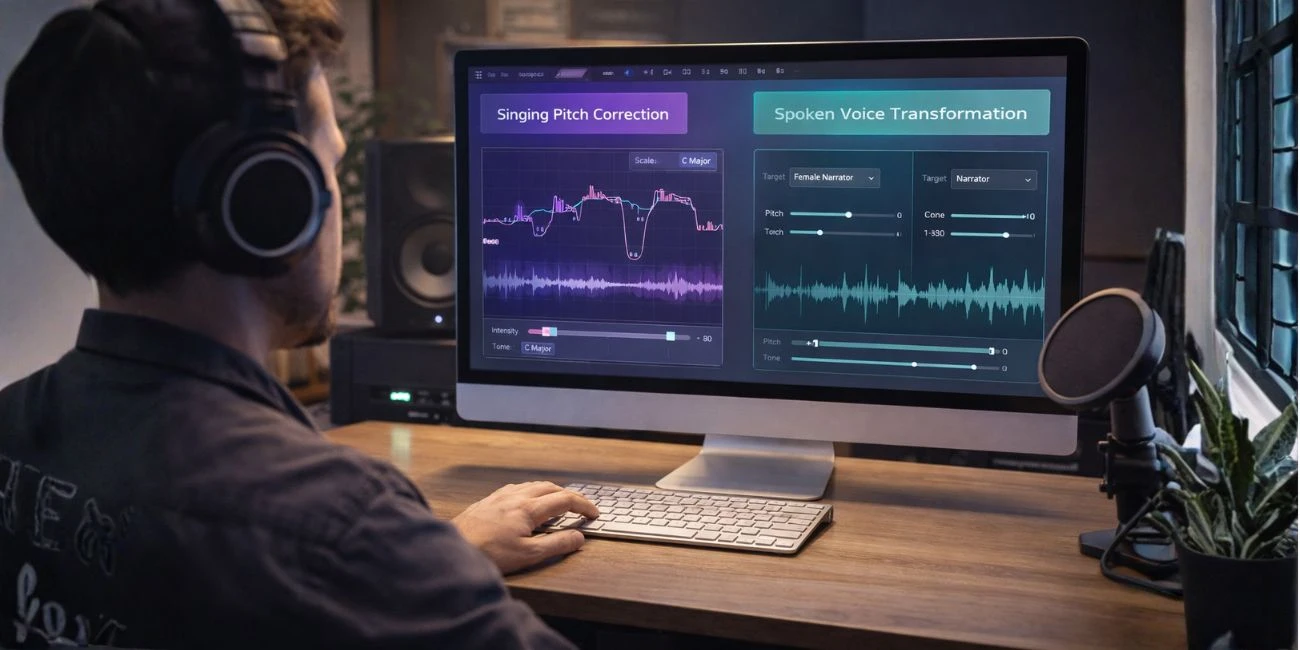
Real-Time Pitch Detection
One of the biggest advantages of AI vocal training is real-time pitch detection.
AI software can:
- Monitor every note you sing
- Detect off-key singing
- Highlight pitch variations
- Show visual pitch graphs
- Provide instant corrections
This immediate feedback helps singers understand exactly where improvements are needed.
Personalized Vocal Exercises
AI doesn’t use a one-size-fits-all approach.
Advanced systems evaluate:
- Current vocal range
- Pitch accuracy
- Voice strength
- Breathing patterns
- Vocal weaknesses
Based on this data, AI creates customized exercises that gradually train your voice to reach higher notes safely.
Vocal Range Analysis
Many singers attempt notes beyond their current abilities.
AI vocal analysis tools can determine:
- Your lowest comfortable note
- Your highest sustainable note
- Areas where your voice breaks
- Potential range expansion opportunities
This information helps build a realistic training plan.
Benefits of Using AI for Vocal Pitch Improvement
Artificial intelligence has revolutionized vocal training by making professional-level voice analysis and coaching accessible to everyone. Whether you’re a beginner learning the basics of singing or an experienced vocalist aiming to expand your range, AI-powered tools offer a smarter and more efficient way to improve vocal pitch. As more singers explore how to raise your vocal note pitch with AI, they are discovering numerous benefits that traditional training methods often cannot provide on their own.
AI vocal training platforms combine advanced voice analysis, real-time feedback, and personalized learning techniques to help users improve faster while maintaining healthy vocal habits. Below are some of the most significant advantages of using AI for vocal pitch improvement.
Faster Learning Process
Traditional vocal training often requires weeks before noticeable improvements appear.
AI speeds up learning through:
- Immediate feedback
- Continuous monitoring
- Personalized recommendations
- Data-driven practice sessions
Objective Performance Evaluation
Human ears can sometimes miss subtle pitch issues.
AI systems measure pitch with remarkable accuracy, allowing singers to identify problems that may otherwise go unnoticed.
Practice Anytime
Not everyone has access to a vocal coach.
AI-powered singing assistants allow users to practice:
- At home
- During travel
- Between recording sessions
- Whenever inspiration strikes
This flexibility encourages consistent improvement.
Effective Techniques to Raise Your Vocal Note Pitch with AI
1. Start with AI Pitch Matching Exercises
Pitch matching is one of the most effective ways to improve singing accuracy.
AI applications play a note and ask you to reproduce it. The software then compares your note to the target frequency and provides feedback.
Benefits include:
- Improved ear training
- Better note recognition
- Enhanced pitch accuracy
- Increased confidence
Regular pitch matching exercises can significantly improve your ability to sing higher notes.
2. Use AI-Powered Vocal Warm-Ups
Warm-ups prepare your vocal cords for higher pitches.
Many AI singing apps generate personalized warm-up routines based on your current range and goals.
Popular warm-up exercises include:
- Lip trills
- Vocal slides
- Humming exercises
- Siren sounds
- Scale practice
AI ensures these exercises remain within a safe range while gradually challenging your voice.
3. Track Progress with Voice Analytics
One of the most powerful features of AI vocal training is progress tracking.
Voice analytics can measure:
- Pitch consistency
- Range expansion
- Accuracy improvements
- Practice frequency
- Vocal endurance
Monitoring these metrics helps maintain motivation and identify successful training methods.
4. Practice Higher Notes Gradually
Attempting extremely high notes too quickly can strain the voice.
AI systems often recommend gradual progression.
A typical approach includes:
Step 1: Master Current Range
Focus on singing comfortably within your existing range.
Step 2: Expand by Half Steps
AI-generated exercises often increase pitch incrementally rather than making large jumps.
Step 3: Strengthen Transition Areas
Many singers struggle with transitions between chest voice and head voice.
AI tools identify these weak zones and provide targeted exercises.
Step 4: Build Endurance
Higher notes require stronger vocal control. AI training plans often include stamina-building exercises.
Best AI Features for Vocal Pitch Training
Pitch Visualization
Visual pitch displays help singers see exactly where they are missing notes.
These graphs make vocal training more interactive and easier to understand.
AI Vocal Coach
Many platforms now include virtual AI coaches that:
- Listen to performances
- Suggest corrections
- Recommend exercises
- Provide performance scores
This creates a coaching experience without requiring a live instructor.
Automated Feedback Reports
Detailed reports help users understand:
- Strengths
- Weaknesses
- Progress trends
- Areas requiring attention
Such insights make practice sessions more productive.
Common Mistakes When Raising Vocal Pitch
Forcing High Notes
Many singers try to push their voice beyond its limits.
This can lead to:
- Vocal fatigue
- Hoarseness
- Reduced performance
- Potential vocal damage
AI helps identify strain and encourages safer techniques.
Ignoring Breath Support
Higher notes require strong breath control.
Without proper support, singers often experience:
- Cracked notes
- Pitch instability
- Reduced vocal power
AI-guided breathing exercises can improve support and stability.
Skipping Warm-Ups
Jumping directly into high notes increases the risk of strain.
Consistent AI-guided warm-ups prepare the voice for demanding exercises.
Inconsistent Practice
Improving pitch requires regular training.
AI reminders, progress tracking, and goal-setting features encourage consistent practice habits.
AI vs Traditional Vocal Coaching
AI Advantages
- Available 24/7
- Affordable
- Instant feedback
- Detailed analytics
- Personalized recommendations
Traditional Coaching Advantages
- Human interpretation
- Emotional guidance
- Advanced artistic coaching
- Performance coaching
Many singers achieve the best results by combining AI tools with occasional professional vocal instruction
Can AI Actually Help You Sing Higher?
The simple answer is yes.
AI cannot magically change your voice overnight, but it can dramatically improve the efficiency of your training.
When used consistently, AI can help:
- Improve pitch accuracy
- Expand vocal range
- Strengthen vocal control
- Build confidence
- Accelerate learning
The key is using AI as a training assistant rather than a shortcut.
Future of AI Vocal Training
Artificial intelligence continues to evolve rapidly.
Future AI vocal systems may include:
- Advanced real-time coaching
- Emotion recognition
- Personalized vocal health monitoring
- Virtual reality singing environments
- Predictive vocal performance analysis
These innovations will make learning how to raise vocal note pitch even more effective and accessible.
Final Thoughts
Learning how to raise your vocal note pitch with AI can help singers improve pitch accuracy, expand vocal range, and develop better vocal control. With personalized training, instant feedback, and progress tracking, AI makes vocal improvement faster and more effective.When combined with regular practice and proper vocal techniques, these smart tools can help you build confidence, improve pitch accuracy, and achieve vocal milestones that once felt out of reach. As AI continues to transform the music and audio industry, using it as part of your vocal training routine can give you a valuable edge on your journey to becoming a better singer.
FAQs: How to Raise Your Vocal Note Pitch with AI
Yes, AI can help improve vocal pitch by analyzing your voice, identifying pitch errors, and providing real-time feedback. Many AI-powered vocal training tools also offer personalized exercises to help you sing more accurately and reach higher notes.
The best approach is to use AI-driven pitch training, vocal warm-ups, and range-expansion exercises consistently. AI tools can track your progress and recommend exercises based on your vocal strengths and weaknesses.
No. Most AI vocal training platforms are designed for beginners as well as experienced singers. They provide step-by-step guidance and easy-to-understand feedback that anyone can follow.
AI cannot instantly increase your vocal range, but it can help you develop proper techniques, improve breath control, and strengthen your voice so you can gradually reach higher notes more comfortably and naturally.
Results vary depending on your current skill level and practice routine. Many users notice improvements in pitch accuracy within a few weeks of consistent practice using AI-powered vocal training tools.
AI tools are excellent for daily practice, instant feedback, and progress tracking. However, they work best when combined with proper vocal techniques and, when possible, guidance from a professional vocal coach.
Yes. Many AI singing applications can measure your vocal range, identify your highest and lowest notes, and recommend exercises to help expand your range safely over time.
Absolutely. AI voice analysis tools can help podcasters, streamers, voice-over artists, and content creators improve vocal clarity, pitch control, and overall voice quality.
Look for features such as real-time pitch detection, vocal range analysis, personalized training plans, progress tracking, voice recording, and instant performance feedback.
Yes. AI-powered vocal training offers an affordable and convenient way to improve pitch accuracy, expand vocal range, and build confidence. With consistent practice, it can become a valuable tool for achieving your singing goals.