
Understanding how to integrate technology with traditional farming has become increasingly important in modern agriculture. Farmers around the world are facing new challenges that were not as significant a few decades ago. Climate change is creating unpredictable weather patterns, rising production costs are reducing profit margins, labor shortages are making farm operations more difficult, and the growing global population is increasing the demand for food. These factors are putting tremendous pressure on traditional farming methods and encouraging farmers to look for innovative solutions that can help them remain productive and competitive.
Traditional farming has supported communities for generations. It relies on experience, local knowledge, and proven agricultural practices. However, combining these methods with modern technology can significantly improve productivity and sustainability.
The goal is not to replace traditional farming. The goal is to enhance it. By using smart tools alongside time-tested techniques, farmers can increase yields, reduce waste, save resources, and improve profitability.
In this guide, we will explore how to integrate technology with traditional farming, examine the most effective tools and strategies available today, and discuss how modern innovations are helping farmers build a more productive, profitable, and sustainable future. As agriculture continues to evolve, the successful combination of traditional knowledge and advanced technology is becoming one of the most powerful approaches to meeting the challenges of modern farming.
Why Technology Matters in Traditional Farming
Agriculture has evolved throughout history. Farmers have always adopted better tools whenever they became available. Today, digital technology is the next major step in agricultural development.
Technology helps farmers:
- Monitor crops more effectively
- Reduce water consumption
- Improve soil management
- Detect diseases early
- Increase crop yields
- Lower production costs
- Improve decision-making
When combined with traditional farming knowledge, technology creates a balanced and efficient farming system.
How to Integrate Technology With Traditional Farming Successfully
The best approach is gradual adoption. Farmers do not need to change everything at once. Small improvements often produce significant results.Farmers do not need to abandon the methods that have worked for generations. Instead, they can combine traditional agricultural knowledge with modern tools to improve efficiency, productivity, and sustainability. The first step is to identify the areas where technology can deliver the greatest benefits. Farmers should evaluate challenges such as water management, pest control, labor shortages, soil health, or crop monitoring.
Let’s examine the most effective ways to combine technology with traditional agriculture.
Use Smart Irrigation Systems
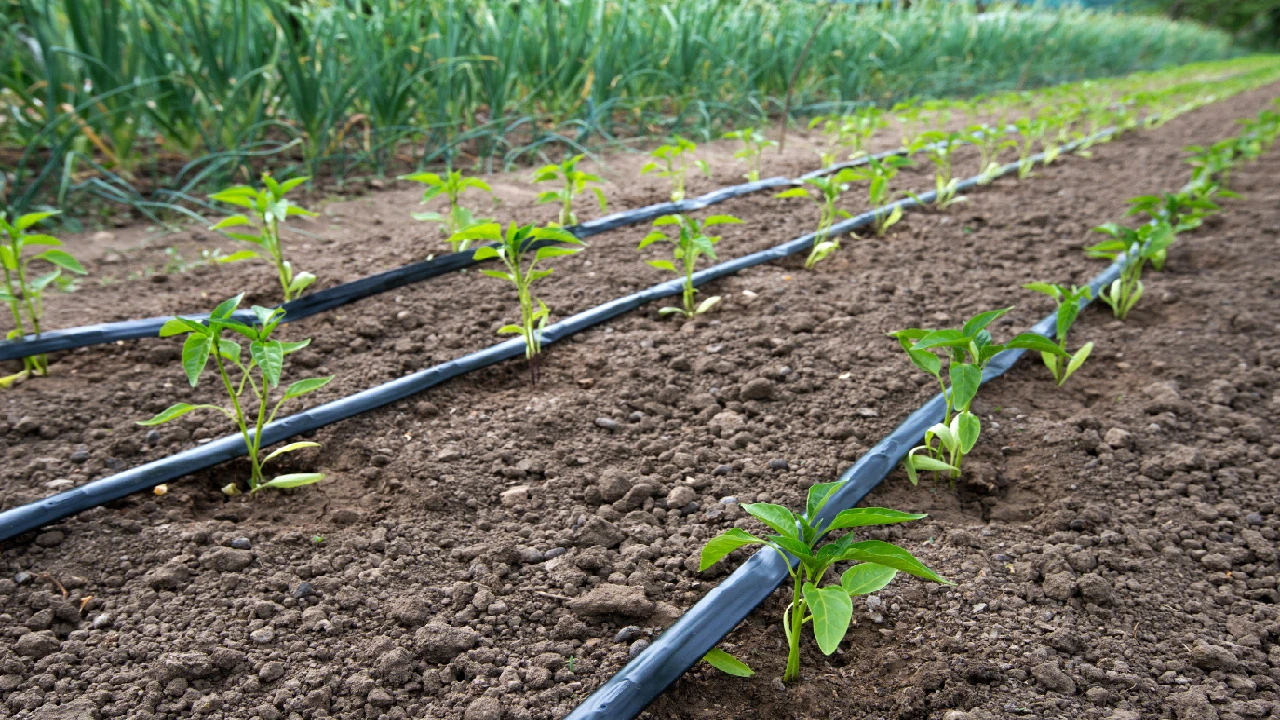
Water is one of the most valuable farming resources. Traditional irrigation methods can sometimes waste large amounts of water.
Smart irrigation systems help solve this problem.
These systems use sensors to monitor:
- Soil moisture
- Weather conditions
- Temperature levels
- Rainfall forecasts
Farmers receive real-time information and can irrigate only when necessary.
Benefits include:
- Reduced water waste
- Lower utility costs
- Healthier crops
- Better resource management
Traditional knowledge about seasonal watering can work perfectly alongside automated irrigation technology.
Adopt Precision Farming Techniques
Precision farming allows farmers to make informed decisions based on accurate data.
Instead of treating an entire field the same way, farmers can identify specific areas that need attention.
Precision farming tools include:
- GPS technology
- Satellite imaging
- Field mapping software
- Yield monitoring systems
These tools help farmers understand crop performance across different sections of their land.
As a result:
- Fertilizer use becomes more efficient
- Crop health improves
- Production costs decrease
- Harvest quality increases
This is one of the most effective examples of integrating technology with traditional farming practices.
Use Drones for Crop Monitoring
Drones have become valuable tools in agriculture.
Traditionally, farmers inspect fields manually. While experience remains important, drones can cover large areas much faster.
Agricultural drones can:
- Capture aerial images
- Monitor crop health
- Identify pest infestations
- Detect irrigation issues
- Track plant growth
Farmers can identify problems before they become serious.
Early intervention often saves crops and reduces losses.
Install Soil Monitoring Sensors
Healthy soil is the foundation of successful farming.
Traditional farmers often assess soil conditions through observation and experience. Modern sensors provide additional data.
Soil sensors can measure:
- Moisture levels
- Nutrient content
- Temperature
- pH balance
This information helps farmers make better decisions about irrigation and fertilization.
Combining traditional soil management knowledge with sensor technology leads to improved crop performance.
Modern Equipment for Traditional Farms
Technology is not limited to computers, software, mobile applications, or digital monitoring systems. Modern farming equipment also plays a major role in improving agricultural productivity and helping farmers manage their operations more efficiently. Advances in agricultural machinery have transformed many traditional farming tasks, making them faster, more accurate, and less labor-intensive. By combining modern equipment with traditional farming knowledge, farmers can increase efficiency while maintaining the practices that have supported agriculture for generations.
Today’s farming machinery is designed to perform tasks with greater precision than ever before. Modern tractors, harvesters, seed planters, and spraying equipment use advanced technologies such as GPS guidance systems, automated controls, and real-time data monitoring. These features help farmers reduce errors, save fuel, and optimize the use of resources across their fields. As a result, farming operations become more productive and cost-effective.
Upgrade to Smart Farm Machinery
Today’s agricultural machinery is more efficient than ever.
Examples include:
- GPS-guided tractors
- Automated seed planters
- Smart harvesters
- Precision sprayers
These machines reduce labor requirements while improving accuracy.
Farmers can continue using traditional cultivation methods while benefiting from advanced equipment.
Use Automated Feeding Systems for Livestock
Livestock farming can also benefit from technology.
Automated feeding systems help farmers:
- Monitor feed consumption
- Maintain feeding schedules
- Reduce waste
- Improve animal health
Farmers still apply their traditional livestock management skills while using technology to improve efficiency.
Digital Tools That Support Traditional Farming
Technology has made farm management easier than ever.
Mobile Farming Applications
Smartphone apps are becoming essential farming tools.
These applications provide:
- Weather updates
- Market prices
- Pest alerts
- Crop management advice
- Record-keeping features
Farmers can access valuable information instantly.
Many agricultural apps are designed specifically for small and medium-sized farms.
Digital Farm Record Management
Traditional record-keeping often involves notebooks and paper files.
Digital systems offer a more organized approach.
Farmers can track:
- Expenses
- Harvest yields
- Crop rotation schedules
- Fertilizer use
- Equipment maintenance
Accurate records help improve planning and profitability.
Combining Traditional Knowledge With Artificial Intelligence
Artificial intelligence is transforming agriculture.
However, AI works best when paired with farmer experience.
AI-Powered Crop Analysis
Artificial intelligence systems can analyze large amounts of farming data.
They can identify:
- Disease risks
- Pest threats
- Nutrient deficiencies
- Growth patterns
Farmers can use these insights alongside their own observations.
This combination often leads to better decision-making.
Predictive Farming Solutions
Predictive technology helps farmers prepare for future conditions.
AI tools can forecast:
- Weather changes
- Crop performance
- Market demand
- Disease outbreaks
Traditional farming experience remains important, but predictive systems add another layer of support.
Sustainable Farming Through Technology
Sustainability is becoming a major agricultural priority.
Technology helps farmers protect natural resources while maintaining productivity.
Reduce Chemical Usage
Traditional farming often emphasizes balance within the ecosystem.
Technology supports this goal by reducing unnecessary chemical applications.
Smart monitoring systems identify exactly where treatments are needed.
This leads to:
- Less pesticide use
- Lower costs
- Reduced environmental impact
- Improved soil health
Improve Energy Efficiency
Modern farms can use technology to reduce energy consumption.
Examples include:
- Solar-powered irrigation systems
- Energy-efficient equipment
- Smart lighting systems
- Automated resource management
These solutions lower operating costs while supporting environmental sustainability.
Challenges of Integrating Technology With Traditional Farming
While the benefits are significant, there are challenges to consider.
Initial Investment Costs
Some technologies require upfront investment.
Equipment, software, and sensors may seem expensive initially.
However, many farmers recover these costs through:
- Increased yields
- Reduced waste
- Improved efficiency
- Lower operating expenses
Long-term benefits often outweigh initial expenses.
Training and Learning Requirements
Technology adoption requires education.
Farmers may need training to understand:
- Software platforms
- Data analysis
- Equipment operation
- Digital record management
Agricultural extension programs and online resources can help bridge this gap.
Internet Connectivity Issues
Some rural areas still face connectivity challenges.
Reliable internet access is important for many modern agricultural systems.
Governments and private organizations continue investing in rural connectivity improvements.
Future Trends in Technology and Traditional Farming
The future of agriculture will likely involve even greater collaboration between technology and traditional farming knowledge.
Emerging innovations include:
- Agricultural robots
- Advanced AI systems
- Blockchain supply chains
- Autonomous machinery
- Smart greenhouses
- Internet of Things (IoT) farming networks
These technologies will continue improving productivity and sustainability.
Farmers who adapt gradually will be better prepared for future agricultural opportunities.
Best Practices for Farmers Adopting Technology
When learning how to integrate technology with traditional farming, consider these practical tips:
Start Small
Begin with one technology solution.
Master it before expanding further.
Focus on Specific Problems
Choose technology that solves a real challenge on your farm.
Preserve Traditional Knowledge
Technology should support experience, not replace it.
Monitor Results
Track improvements in yield, efficiency, and costs.
Continue Learning
Agricultural technology evolves rapidly.
Stay informed about new developments.
Conclusion
Learning how to integrate technology with traditional farming is no longer optional for many agricultural operations. It has become an important strategy for increasing productivity, sustainability, and profitability.
Traditional farming methods provide valuable knowledge built over generations. Modern technology adds data, automation, and precision. Together, they create a powerful combination.
From smart irrigation and drones to artificial intelligence and digital farm management, technology offers practical solutions that support rather than replace traditional practices.
Farmers who successfully blend innovation with experience can improve crop yields, conserve resources, reduce costs, and prepare for the future of agriculture. The most successful farms of tomorrow will likely be those that respect tradition while embracing technological advancement.
Frequently Asked Questions (FAQs)
Integrating technology with traditional farming means combining modern tools, equipment, and digital solutions with established agricultural practices. This approach helps farmers improve efficiency, increase yields, and manage resources more effectively while preserving valuable traditional knowledge.
Technology can help farmers increase productivity, reduce labor costs, conserve water, improve soil management, monitor crop health, and make better decisions based on real-time data. It also supports sustainable farming practices and long-term profitability.
Some of the most effective technologies include smart irrigation systems, soil sensors, GPS-guided tractors, drones, farm management software, weather monitoring tools, and artificial intelligence-based crop analysis systems.
Yes. Small-scale farmers can benefit from affordable technologies such as mobile farming apps, weather forecasting tools, drip irrigation systems, and soil monitoring devices. These solutions can improve productivity without requiring large investments.
No. Technology is designed to complement traditional farming methods rather than replace them. Farmers can combine their experience and local knowledge with modern tools to achieve better results.
Drones help farmers monitor large fields quickly. They can identify crop stress, pest infestations, irrigation problems, and plant health issues. This allows farmers to address problems early and reduce crop losses.
Precision farming uses technologies such as GPS, sensors, and data analytics to manage crops more accurately. Farmers can apply water, fertilizers, and pesticides only where needed, reducing waste and improving efficiency.
The cost varies depending on the technology. Some advanced systems require significant investment, while many tools such as mobile apps and smart irrigation solutions are affordable. In many cases, the long-term savings and productivity gains outweigh the initial costs.
Technology helps reduce water consumption, minimize chemical use, lower fuel consumption, and improve resource management. These benefits contribute to environmentally sustainable farming practices.
The future includes greater use of artificial intelligence, agricultural robots, smart sensors, autonomous machinery, and Internet of Things (IoT) devices. These innovations will continue helping farmers increase productivity while maintaining sustainable agricultural practices.