Table of Contents
ToggleThe red phone signal immediately communicates urgency. It signals that something needs attention right away. In today’s fast-moving digital environment, users are constantly exposed to notifications, but a red alert is rarely ignored. Whether it appears on a smartphone, within a communication system, or on a monitoring dashboard, the red phone signal is designed to stand out and prompt quick action.
This article explains what the red phone signal means, how it is used across modern technology, and why it continues to play an important role in communication. It also explores how this concept has evolved over time and why it remains highly relevant today.
What Is a Red Phone Signal?
A red phone signal is a visual alert or indicator on a device that highlights something important or urgent. It’s designed to catch your eye instantly, even if you’re busy or not actively using your phone. You’ll commonly see it on smartphones, mobile apps, and communication systems where quick awareness matters. Whether it’s a missed call, an unread message, or a system warning, the red phone signal works as a clear prompt that something needs your attention.
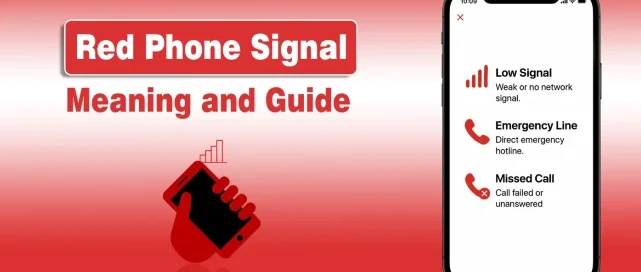
In communication systems, a red phone signal may represent:
- Missed urgent calls
- Emergency alerts
- Network issues
- High-priority notifications
It is simple. It is direct. And it works instantly.
Why the Color Red Matters in Phone Signals
The red phone signal is not just about design. It’s about human behavior. Color plays a big role in how we react to information, and red is one of the strongest colors our brain responds to.
Red stands out immediately. It is bright. It is bold. It is hard to ignore, even on a crowded screen. When you see a red phone signal, your attention shifts without effort.
Red is also linked with meaning. It often represents danger, urgency, and importance. Think about stop signs or warning lights. The same idea applies to phone signals. The message is clear: this needs your attention now.
- Danger
- Urgency
- Importance
- Action
Humans react quickly to red. It triggers the brain. It creates a sense of alertness. That is why red is widely used in phone signals and notifications.
Short signals. Quick reactions. That is the goal.
Types of Red Phone Signals in Daily Life
You see the red phone signal more often than you think. It’s part of your daily digital routine. You may not always notice it consciously, but it’s always there, guiding your attention. It appears in different forms across your phone, apps, and even system alerts.
From a small red dot on an app icon to a warning message on your screen, each signal has a purpose. It tells you something needs to be checked. Sometimes it’s urgent. Sometimes it’s just important. But it always stands out.
1. Missed Call Alerts
A red icon on your phone often shows missed calls. It tells you something needs attention. Someone tried to reach you.
2. Low Network or No Signal Warning
A red phone signal may indicate poor connectivity. This is common in weak coverage areas. It warns you that communication may fail.
3. Emergency Notifications
In crisis situations, a red phone signal becomes critical. It may alert users about safety risks, weather warnings, or urgent updates.
4. App Notifications
Many apps use red badges. These badges signal unread messages or urgent updates. Again, the idea is simple. Grab attention fast.
The Evolution of Red Phone Signal Technology
The concept of the red phone signal is not new. But its use has evolved.
Early Communication Systems
In the past, red phones were linked with emergency lines. They were used in military or government setups. They symbolized direct and urgent communication.
Modern Smartphones
Today, the red phone signal lives inside your pocket. It appears as icons, alerts, and badges. Technology has made it more dynamic.
Smart Systems and AI Integration
Now, systems use smart alerts. A red phone signal may appear based on behavior, priority, or risk. It is no longer just a color. It is a smart indicator.
Red Phone Signal in Emergency Communication
The red phone signal plays a huge role in emergencies. It helps save time. And sometimes, lives.
Instant Alerts
Emergency systems use red signals to notify users instantly. No delay. No confusion.
Clear Communication
A red signal cuts through noise. It tells users what matters most. It removes distractions.
Action-Oriented Design
The goal is action. Not just awareness. A red phone signal pushes users to respond quickly.
Psychological Impact of Red Phone Signals
The red phone signal affects human behavior. It is not just visual. It is emotional.
- It creates urgency
- It increases focus
- It reduces delay
People react faster to red alerts. Studies show that color influences decision-making. Red often leads to immediate action.
Short signal. Fast response.
Red Phone Signal in Business and Marketing
Businesses also use the red phone signal concept. Especially on digital platforms.
Notification Strategy
Apps use red badges to increase engagement. Users are more likely to click when they see red alerts.
Customer Support Systems
Support teams use red signals to highlight urgent tickets. It helps prioritize work.
Sales and Promotions
Limited-time offers often use red indicators. It creates urgency. It drives quick decisions.
Common Issues with Red Phone Signals
While useful, the red phone signal can also create challenges.
Overuse
Too many red alerts can cause stress. Users may feel overwhelmed.
Alert Fatigue
If everything is marked urgent, nothing feels urgent. This reduces effectiveness.
Misinterpretation
Sometimes, users may not understand what the red signal means. Clarity is important.
Best Practices for Using Red Phone Signals
To use the red phone signal effectively, balance is key.
Use It for Real Urgency
Do not overuse red signals. Reserve them for important alerts.
Keep It Clear
Make sure users understand what the signal means. Add labels if needed.
Combine with Sound or Vibration
A red signal works better with other cues. This improves visibility and response.
Future Trends of Red Phone Signal Systems
The red phone signal will continue to evolve.
Smart Alerts
AI will make signals more intelligent. Alerts will be personalized.
Context-Based Signals
Future systems will show red signals based on context. For example, location or behavior.
Minimal Design with Maximum Impact
Design trends are moving toward simplicity. A clean red signal will remain powerful.
Conclusion: Why Red Phone Signal Still Matters
The red phone signal is more than just a visual cue. It is a communication tool. It connects urgency with action.
In a world full of noise, clarity is rare. The red phone signal provides that clarity. It cuts through distractions. It demands attention.
That is why the red phone signal remains essential. And it will continue to play a key role in how we communicate, respond, and act in the digital age.
Red Phone Signal – FAQ
1. What is the Red Phone Signal?
Red Phone Signal is typically used to describe a high-priority or urgent alert system on a phone, often indicating critical notifications, emergency signals, or important incoming communication.
2. Why is my phone showing a red signal or alert?
A red signal may appear due to:
- Emergency alerts (weather, government, or safety warnings)
- Low battery or overheating issues
- Network or SIM card problems
- App-specific urgent notification
3. Does a red signal mean something is wrong with my phone?
Not always. Sometimes it simply indicates urgency. However, if it persists, it could point to a technical issue like poor connectivity, battery problems, or software glitches.
4. How can I fix a red signal issue?
Try the following:
- Restart your phone
- Check your SIM card and network connection
- Turn off airplane mode
- Update your phone’s software
- Reset network settings
5. Can I turn off red alert notifications?
Yes. You can usually manage or disable alerts through:
- Settings → Notifications
- Emergency Alert settings (varies by device)
6. Is a red signal related to emergency alerts?
Yes, in many cases it is linked to emergency broadcast systems or critical alerts issued by authorities.
7. Why does the signal bar turn red sometimes?
This can happen due to:
- Weak or unstable network signal
- Carrier issues
- Roaming or restricted service
8. When should I be concerned?
You should take action if:
- The red signal stays for a long time
- You lose network completely
- Your phone overheats or shuts down
- You receive repeated emergency alerts without reason
9. Does it differ between Android and iPhone?
Yes. The meaning and appearance of a red signal can vary depending on the device manufacturer and operating system.
10. Who should I contact if the issue continues?
- Your mobile carrier (for network issues)
- Device manufacturer support
- A certified technician