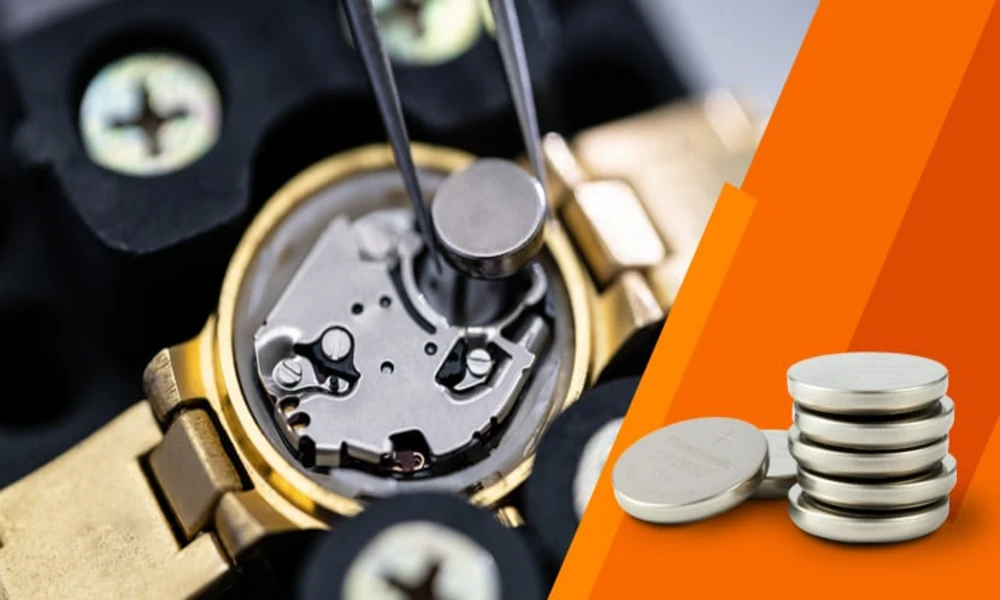
If your watch has suddenly stopped ticking, you’re probably wondering how to replace watch battery without damaging the case or internal parts. The good news is that in most situations, replacing a battery is simple and does not require professional skills. Many quartz watches are designed to allow easy battery access, which means you can fix the problem at home with basic tools and a careful approach.
A dead battery is one of the most common reasons a watch stops working. Instead of spending money at a repair shop or assuming the watch is broken, you can often solve the issue yourself in just 10–20 minutes. With the right battery type and a steady hand, the process is straightforward and cost-effective. For regular quartz watches from brands like Casio or Seiko, DIY replacement is usually safe and practical.
In this complete guide, you’ll learn exactly how to replace watch battery safely, which tools you need, how to identify your watch back type, common mistakes beginners make, and when it’s smarter to visit a professional. By the end, you’ll feel confident handling a basic watch battery replacement on your own while protecting your watch from unnecessary damage.
Table of Contents
ToggleWhy Watches Stop Working
Before you open your watch, make sure the battery is actually the problem. Many people assume a watch is broken when it simply needs a new battery. In reality, a dead battery is the most common reason a quartz watch stops working. If your watch suddenly freezes, starts losing time, or the second hand begins jumping every few seconds, these are strong signs the battery is weak or completely drained.
Most modern watches use small coin-cell batteries. These usually last:
- 1–3 years for standard quartz watches
- 2–5 years for digital watches
- Less for watches with extra features like backlight or alarms
If your watch suddenly stops or starts losing time, the battery is likely dead.
However, luxury brands like Rolex (which are automatic) do not use batteries. Quartz brands such as Casio or Seiko often do.
Tools You Need to Replace a Watch Battery
To learn how to replace watch battery properly, you need the right tools from the start. Many people try to open their watch using kitchen knives, scissors, or other sharp objects. This often leads to scratched cases, damaged seals, or even broken internal parts. A watch may look small and simple, but its components are delicate and require careful handling.
Using proper watch tools not only ma
Here’s what you’ll need:
- Small flat-head screwdriver
- Watch case opener (for screw-back watches)
- Tweezers (non-metal preferred)
- Soft cloth or microfiber towel
- Replacement battery (correct model number)
How to Find the Correct Battery
Open the watch first and check the battery number printed on it (for example: SR626SW or CR2025).
You can also:
- Check the watch manual
- Search online using your watch model
- Ask a local watch shop
Using the wrong battery can damage the watch movement.
Types of Watch Case Backs
Before you start learning how to replace watch battery, it’s very important to identify your watch case type. Many people skip this step and try to force the back open the wrong way. This can scratch the case, bend the cover, or damage the internal movement. Every watch is designed differently, and the method you use depends entirely on how the back is secured.
1. Snap-Off Case Back
- Has a small notch on the edge
- Opens with a flat tool
- Common in affordable watches
2. Screw-Back Case
- Has small grooves around the back
- Needs a case opener tool
- Common in water-resistant watches
3. Screwed Case (Small Screws)
- 4–6 small screws holding the back
- Requires a precision screwdriver
Knowing the case type makes replacing the battery much easier.
Step-by-Step: How to Replace Watch Battery
To learn how to replace watch battery correctly and safely, you must start with the proper tools and a careful approach. Many beginners make the mistake of using random household items like kitchen knives, safety pins, or metal blades. While these may seem convenient, they often scratch the watch case, damage the back cover, or even break internal components. In some cases, slipping tools can also cause personal injury.
A watch may look small and simple from the outside, but inside it contains delicate gears, circuits, and tiny connectors. Even slight pressure in the wrong place can damage the movement. That’s why using proper watch repair tools is so important. They are designed for precision, control, and safety.
Step 1: Prepare a Clean Workspace
Place a soft cloth on a flat table. This prevents scratches and keeps small parts from rolling away.
Work in a bright area so you can see clearly.
Step 2: Open the Watch Back
Depending on the case type:
- Snap-off back: Insert flat tool into the notch and gently twist.
- Screw-back: Use a case opener and turn counterclockwise.
- Small screws: Carefully remove each screw and keep them safe.
Do not force it. If it doesn’t open easily, stop and reassess.
Step 3: Remove the Old Battery
Once opened:
- Note the battery position
- Look for a small clip or holder
- Gently lift the battery using tweezers
Avoid touching other internal parts.
Step 4: Insert the New Battery
Place the new battery in the exact same position.
Make sure:
- The positive (+) side faces correctly
- The battery sits flat
- The clip locks properly
If placed incorrectly, the watch will not start.
Step 5: Test Before Closing
Before closing the case:
- Check if the watch starts ticking
- For digital watches, see if the screen turns on
If it doesn’t work:
- Recheck battery placement
- Confirm correct battery model
Step 6: Close the Watch Case
Carefully place the back cover and:
- Press firmly for snap-off cases
- Tighten screws evenly
- Rotate screw-back clockwise until secure
Do not over-tighten, especially in water-resistant watches.
Common Mistakes to Avoid
When learning how to replace watch battery, many beginners make these mistakes:
- Using knives instead of proper tools
- Touching internal circuits with fingers
- Forcing the back cover
- Using the wrong battery type
- Losing small screws
Take your time. Precision matters more than speed.
When to Visit a Professional
Sometimes, replacing a watch battery at home is not the best option.
Visit a professional if:
- The watch is expensive
- It is water-resistant (needs resealing test)
- The back won’t open
- The watch still doesn’t work after battery change
Luxury brands like Omega or high-end models may require professional service to maintain warranty.
Battery replacement at a shop usually costs between $5–$20, which is affordable for valuable watches.
Safety Tips for Replacing Watch Battery
Keep these points in mind:
- Always work on a soft surface
- Avoid static electricity
- Keep batteries away from children
- Dispose of old batteries responsibly
Button batteries can be dangerous if swallowed.
Final Thoughts: Is Replacing a Watch Battery Worth Doing Yourself?
Learning how to replace watch battery is a useful skill. It saves money, takes only a few minutes, and gives you confidence in handling small repairs.
For simple quartz watches, DIY replacement is safe and practical. But for expensive or waterproof watches, professional service is the smarter choice.
If you follow the steps carefully, use the correct tools, and avoid common mistakes, replacing your watch battery at home can be quick, easy, and stress-free.
Now that you know how to replace watch battery, you can bring your watch back to life without waiting or overspending.
FAQs About How to Replace Watch Battery
1. Can I replace my watch battery at home?
Yes, most quartz watches allow easy battery replacement if you use proper tools.
2. How do I know which battery my watch needs?
Check the old battery number or search your watch model online.
3. Why is my watch not working after battery replacement?
Possible reasons:
- Wrong battery type
- Battery placed incorrectly
- Internal damage
- Dirty contacts
4. Does replacing battery affect water resistance?
Yes. Opening the watch may reduce water resistance unless resealed properly.
5. How often should I replace my watch battery?
Most watches need a new battery every 1–3 years.