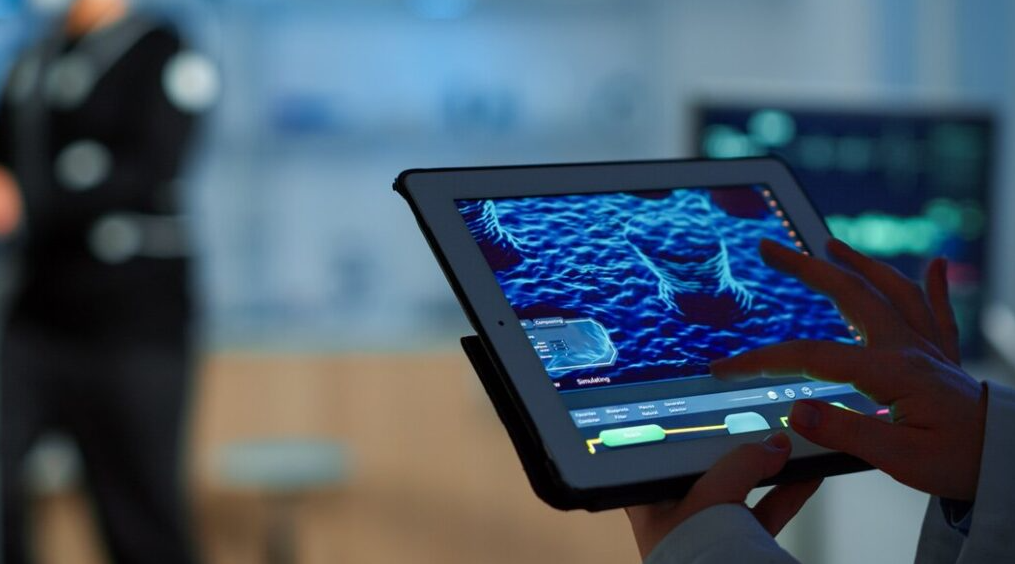
How future healthcare technology is elevating at-home care is no longer a prediction—it is an active transformation reshaping how patients receive medical services worldwide. Advances in digital health, artificial intelligence, remote monitoring, and connected medical devices are moving high-quality care from hospitals into homes. This shift empowers patients, reduces healthcare costs, improves outcomes, and addresses challenges such as aging populations, chronic diseases, and hospital overcrowding. As healthcare systems evolve, technology-driven home care is becoming a cornerstone of modern medicine.
Table of Contents
ToggleThe Shift from Hospital-Centered to Home-Based Healthcare
Traditional healthcare has long relied on hospitals and clinics as the primary settings for diagnosis and treatment. However, rising medical costs, overcrowded facilities, limited access in rural areas, and a growing patient preference for comfort and convenience have significantly accelerated the shift toward home-based healthcare solutions. Advances in future healthcare technology now enable doctors to diagnose, monitor, and treat patients remotely—often in real time—without compromising the quality or safety of care. Through telemedicine platforms, connected medical devices, and AI-powered analytics, patients can receive professional medical attention from the comfort of their homes.
This transformation goes beyond convenience; it fundamentally reshapes how care is delivered. Future healthcare technology supports preventive care, early disease detection, and continuous health monitoring—critical elements often missing in episodic hospital visits. Instead of reacting to illness after symptoms worsen, healthcare providers can analyze ongoing health data to identify risks early and intervene proactively. As a result, at-home care is becoming more proactive, highly personalized, and data-driven, empowering patients to take greater control of their health while reducing the burden on traditional healthcare systems.
Telemedicine: The Backbone of At-Home Healthcare Innovation
Telemedicine is one of the most visible and impactful examples of how future healthcare technology is elevating at-home care. Virtual consultations now allow patients to connect with doctors through secure video calls, messaging apps, and advanced digital healthcare platforms, eliminating the need for unnecessary in-person visits. This shift not only saves time and travel costs but also makes healthcare more accessible for elderly patients, individuals with mobility challenges, and people living in remote or underserved areas.
Beyond basic consultations, modern telemedicine platforms support e-prescriptions, digital medical records, remote follow-ups, and specialist referrals, creating a seamless care experience from home. Doctors can review patient histories, analyze symptoms, and provide personalized treatment plans in real time. As telemedicine continues to evolve with AI-powered triage tools and remote diagnostic support, it is transforming at-home care into a faster, more efficient, and patient-centered healthcare solution.
Key Benefits of Telemedicine
- Improved access to specialists, especially in rural or underserved areas
- Reduced travel and waiting time for patients
- Lower healthcare costs for providers and patients
- Continuity of care for chronic conditions
With high-speed internet and secure platforms, telehealth has evolved from simple consultations to full-scale remote diagnosis and follow-up care.
Remote Patient Monitoring: Continuous Care from Home
Remote Patient Monitoring (RPM) is transforming at-home care by using connected devices to track vital health data in real time, enabling continuous and accurate health oversight outside traditional clinical settings. Wearables and smart medical devices collect critical information such as heart rate, blood pressure, oxygen saturation, glucose levels, sleep patterns, and physical activity, automatically transmitting this data to healthcare providers through secure cloud-based systems.
This continuous flow of health data allows doctors to detect early warning signs, monitor chronic conditions more effectively, and adjust treatment plans without requiring frequent hospital visits. RPM is especially valuable for managing conditions like diabetes, heart disease, hypertension, and respiratory disorders, where timely intervention can prevent serious complications. By shifting care from reactive to proactive, remote patient monitoring empowers patients to stay engaged in their own health while reducing hospital readmissions and lowering overall healthcare costs.
How RPM Elevates Home Healthcare
- Enables early detection of health issues
- Reduces hospital readmissions
- Supports long-term management of chronic diseases
- Allows clinicians to make data-driven decisions
This technology-driven home care model ensures patients are monitored continuously rather than only during clinic visits.
Artificial Intelligence and Predictive Healthcare at Home
Artificial Intelligence (AI) plays a crucial role in the future of home healthcare technology. AI-powered systems analyze large volumes of patient data to detect patterns, predict risks, and recommend treatments.In the context of at-home care, AI reduces the burden on healthcare professionals while enhancing patient safety and outcomes. Automated alerts notify doctors and caregivers when health metrics fall outside normal ranges, allowing timely interventions before conditions escalate. As AI continues to evolve, its ability to learn from patient behavior and outcomes will further improve accuracy, making at-home healthcare more reliable, efficient, and personalized than ever before.
Applications of AI in At-Home Care
- Predicting disease progression
- Identifying medication adherence issues
- Personalizing treatment plans
- Powering virtual health assistants
By combining AI with remote monitoring, healthcare providers can intervene before conditions worsen, making at-home care safer and more efficient.
Smart Medical Devices Transforming Home Treatment
Smart medical devices are redefining how future healthcare technology supports at-home care. These devices are user-friendly, connected, and designed for non-clinical environments.
Examples of Smart Home Healthcare Devices
- Smart blood pressure monitors
- Continuous glucose monitoring systems
- Portable ECG and heart monitors
- Smart inhalers for respiratory conditions
These devices automatically sync data with healthcare platforms, ensuring accurate and timely medical insights without frequent hospital visits.
Internet of Medical Things (IoMT) and Connected Care
The Internet of Medical Things (IoMT) connects devices, apps, and healthcare systems into a unified ecosystem. IoMT plays a major role in elevating at-home healthcare by enabling seamless data exchange between patients and providers.
Benefits of IoMT in Home-Based Care
- Real-time health data sharing
- Reduced manual errors
- Better coordination among care teams
- Enhanced patient engagement
Connected healthcare ecosystems ensure that at-home care is not isolated but integrated with broader healthcare systems.
Personalized and Precision Healthcare at Home
Future healthcare technology enables personalized medicine by tailoring care plans based on individual health data, genetics, lifestyle, and preferences. At-home care solutions leverage data analytics to deliver customized treatments.
How Personalization Improves At-Home Care
- Treatments designed for individual needs
- Better medication effectiveness
- Improved patient satisfaction
- Higher treatment adherence
Personalized home healthcare shifts the focus from one-size-fits-all solutions to patient-centric care models.
Mental Health Support Through Digital Home Care
Mental health care is also benefiting from future healthcare technology in at-home settings. Digital therapy platforms, mental health apps, and virtual counseling provide discreet and accessible support.
Technology-Driven Mental Health Care at Home
- AI-powered mental health chatbots
- Virtual therapy and counseling sessions
- Mood and behavior tracking apps
- Guided meditation and stress management tools
These tools help reduce stigma, increase access, and provide continuous mental health support from home.
Robotics and Automation in At-Home Healthcare
Healthcare robotics is no longer limited to hospitals. Assistive robots and automated systems are entering homes to support elderly and disabled patients.
Role of Robotics in Home Care
- Assisting with mobility and daily tasks
- Medication reminders and delivery
- Companionship for elderly individuals
- Supporting caregivers
Robotics enhances independence and safety, especially for aging populations who prefer to remain in their homes.
Data Security and Privacy in Home Healthcare Technology
As at-home care becomes more digital, protecting patient data is a top priority. Future healthcare technology incorporates advanced cybersecurity, encryption, and compliance standards.
Ensuring Safe Digital Home Care
- Secure cloud-based health records
- Encrypted data transmission
- Multi-factor authentication
- Regulatory compliance
Trust in digital health solutions is essential for widespread adoption of at-home healthcare technologies.
Cost Efficiency and Economic Impact of At-Home Care
One of the biggest advantages of how future healthcare technology is elevating at-home care is cost reduction. Home-based care minimizes hospital stays, emergency visits, and operational expenses.
Economic Benefits
- Lower healthcare system costs
- Reduced patient expenses
- Efficient use of medical resources
- Scalable care models
Affordable and scalable at-home care solutions are especially valuable in regions with limited healthcare infrastructure.
The Role of Caregivers in Technology-Enabled Home Care
Technology does not replace caregivers; it empowers them. Digital tools provide caregivers with insights, alerts, and support to deliver better care.
Caregiver Advantages
- Real-time patient updates
- Reduced physical and emotional strain
- Better coordination with healthcare providers
- Improved care quality
Future healthcare technology strengthens the caregiver-patient relationship while improving outcomes.
Challenges and Limitations of At-Home Healthcare Technology
Despite its benefits, technology-driven at-home care faces challenges such as digital literacy, internet access, and device affordability.
Key Challenges
- Technology adoption among elderly users
- Infrastructure limitations in remote areas
- Data privacy concerns
- Integration with existing healthcare systems
Addressing these issues is critical for equitable and widespread adoption.
The Future Outlook: What’s Next for At-Home Care Technology
The future of at-home care is promising. Emerging technologies such as 5G, advanced AI, and digital twins will further enhance remote healthcare capabilities.
Future Trends in Home Healthcare
- Hyper-personalized care plans
- Fully automated remote diagnostics
- Integration of genomics and AI
- Expansion of virtual hospitals
These innovations will continue redefining how future healthcare technology elevates at-home care.
Conclusion: A New Era of Healthcare at Home
How future healthcare technology is elevating at-home care reflects a fundamental shift toward smarter, more accessible, and patient-focused healthcare systems. By combining telemedicine, AI, remote monitoring, smart devices, and connected ecosystems, healthcare is moving beyond hospital walls. As technology advances, at-home care will become the preferred model for delivering safe, efficient, and personalized healthcare—empowering patients and transforming global health outcomes.
Frequently Asked Questions (FAQs)
1. How future healthcare technology is elevating at-home care for patients?
Future healthcare technology is elevating at-home care by enabling remote monitoring, virtual consultations, AI-powered diagnostics, and smart medical devices. These innovations allow patients to receive continuous, high-quality care from home while reducing hospital visits and healthcare costs.
1. How future healthcare technology is elevating at-home care for patients?
Future healthcare technology is elevating at-home care by enabling remote monitoring, virtual consultations, AI-powered diagnostics, and smart medical devices. These innovations allow patients to receive continuous, high-quality care from home while reducing hospital visits and healthcare costs.
2. What technologies are most important for at-home healthcare?
Key technologies include telemedicine platforms, remote patient monitoring devices, artificial intelligence, wearable health trackers, Internet of Medical Things (IoMT), and secure cloud-based health records. Together, they create a connected and efficient home healthcare ecosystem.
3. Is at-home healthcare technology safe and reliable?
Yes, modern at-home healthcare solutions follow strict data security, encryption, and regulatory standards. When used correctly, they provide accurate health data, early risk detection, and reliable communication between patients and healthcare providers.
4. How does remote patient monitoring improve health outcomes?
Remote patient monitoring improves outcomes by tracking vital signs in real time, detecting early warning signs, reducing hospital readmissions, and allowing timely medical intervention for chronic and high-risk patients.
5. Can future healthcare technology reduce healthcare costs?
Absolutely. Technology-enabled at-home care lowers costs by minimizing hospital stays, emergency visits, travel expenses, and operational burdens while improving efficiency and preventive care.
6. How does AI support at-home healthcare?
AI analyzes patient data to predict health risks, personalize treatment plans, assist with diagnosis, and power virtual health assistants. This makes at-home care more proactive, accurate, and patient-centered.
7. Is at-home care suitable for elderly patients?
Yes, at-home healthcare technology is especially beneficial for elderly patients. Smart devices, remote monitoring, assistive robotics, and caregiver support tools enhance safety, independence, and quality of life for seniors.
8. What challenges does at-home healthcare technology face?
Common challenges include digital literacy barriers, limited internet access in some regions, device affordability, and data privacy concerns. Ongoing innovation and policy support are helping overcome these issues.
9. How does future healthcare technology support mental health at home?
Digital therapy platforms, virtual counseling, AI mental health tools, and wellness apps provide accessible and confidential mental health support, making at-home mental healthcare more effective and stigma-free.
10. What is the future of at-home healthcare?
The future includes advanced AI-driven diagnostics, 5G-enabled real-time monitoring, personalized precision medicine, and virtual hospitals. These trends will further elevate at-home care as a primary healthcare model.